
Navigating the aftermath of a motor vehicle accident (MVA) is a complex, often overwhelming journey. Beyond the immediate shock and physical pain, victims are suddenly thrust into a world of insurance paperwork, medical appointments, and legal jargon. One of the most pivotal questions you will face—often while you are still in the early stages of recovery—is whether you need to hire a professional personal injury lawyer.
At MacDonald Zhivov Law, we recognize that insurance adjusters are often the first point of contact after a collision. While they may appear helpful, it is vital to remember that their primary goal is to settle claims quickly and cost-effectively for the insurance provider. This guide provides a comprehensive look at the Alberta legal landscape, the reality of “capped” compensation, and how to determine if your case requires professional advocacy.
Understanding Alberta’s Minor Injury Regulation (MIR)
If you have been involved in an accident in Calgary or elsewhere in Alberta, you have likely heard the term “the cap.” This refers to the Minor Injury Regulation (MIR), a piece of legislation that limits the amount of compensation an accident victim can receive for “pain and suffering” (non-pecuniary damages).
What is the “Cap” and Why Does It Exist?
The MIR was introduced to stabilize insurance premiums by limiting payouts for minor soft-tissue injuries. As of 2024 and 2025, this cap hovers around $6,000 (adjusted annually for inflation), though insurance adjusters often use the “roughly $5,000” figure as a shorthand during initial negotiations.
The regulation defines a “minor injury” as a sprain, strain, or a “Whiplash Associated Disorder” (WAD) that does not result in a serious impairment. If your injury falls strictly within this definition, your compensation for the actual “pain” of the injury is limited to this statutory amount.
The Adjuster’s Perspective vs. Legal Reality
It is common for insurance adjusters to inform victims early on that their claim is “capped.” From their perspective, if they can convince you that your injury is minor before you have fully realized the extent of your symptoms, they can settle the claim for a fraction of its potential value. However, whether an injury is truly “minor” is a medical and legal determination—not one dictated solely by an insurance company.
When “Minor” Injuries Become Major Claims
A significant misconception in Alberta law is that all soft-tissue injuries are capped. This is categorically false. Many injuries that appear minor on the surface actually fall outside the MIR, allowing for significantly higher compensation.
Structural Damage and Diagnostic Complexity
The cap typically applies to injuries that resolve with standard treatment (like physiotherapy or massage) within a reasonable timeframe. However, if an accident causes structural damage—such as muscle fiber tears, ligament ruptures, or tendon damage—the injury may no longer be considered “minor.” These injuries often require advanced diagnostics like MRIs or ultrasounds to identify, and because they involve physical tearing rather than just stretching, they often command higher settlement values.
The Impact of Psychological Trauma
An MVA is a traumatic event. It is not uncommon for victims to suffer from:
- Post-Traumatic Stress Disorder (PTSD): Avoidance of driving, flashbacks, and severe anxiety.
- Clinical Depression: Often stemming from the loss of mobility or the inability to return to work.
- Anxiety Disorders: General fear or panic attacks following the collision.

In Alberta, psychological injuries are not subject to the $5,000 cap. If your mental health has been impacted by the accident, your claim value shifts significantly, and professional legal representation becomes essential to ensure these “invisible” injuries are properly documented and compensated.
Chronic Pain and Permanent Impairment
If a soft-tissue injury (like whiplash) results in “serious impairment”—meaning it interferes with your ability to perform the essential tasks of your employment, education, or daily living for a prolonged period—it may be classified as chronic pain. Under Alberta law, chronic pain that leads to long-term impairment generally exceeds the cap, as it no longer fits the definition of a “minor” injury.
Evaluating Your Need for Legal Representation
Every accident is unique, and not every fender-bender requires a lawsuit. Deciding whether to hire an MVA lawyer involves an honest assessment of your physical trajectory and the behavior of the insurance company.
When You May Not Require a Lawyer
You might consider handling a claim independently if:
- You have achieved 100% physical and mental recovery within a few weeks.
- Your vehicle damage was negligible.
- The insurance company offers the maximum cap amount, and you are certain no further complications will arise.
A Word of Caution: Once you sign a “Release” form and accept a settlement, your file is closed forever. If you wake up six months later with chronic neck pain or a discovered disc herniation, you cannot ask for more money.
Scenarios Where a Lawyer is Essential
If any of the following apply, you should consult with a firm like MacDonald Zhivov Law immediately:
- Ongoing Pain: You are still attending treatment (physio, chiro, etc.) three months after the accident.
- Liability Disputes: The insurance company is claiming you were partially or fully at fault for the accident.
- Employment Impact: You have missed days of work or find yourself unable to perform your duties as you did before the crash.
- Pressure Tactics: The adjuster is calling you repeatedly, asking for a recorded statement, or pushing you to sign documents you don’t fully understand.
Beyond Pain and Suffering: What You Can Actually Claim
While the “cap” dominates the conversation, it only applies to non-pecuniary damages (pain and suffering). A professional lawyer looks at the entirety of your losses, many of which have no cap at all.
Loss of Income and Earning Capacity
If you cannot work, you are entitled to claim lost wages. This includes not just the time you’ve already missed, but also “loss of future earning capacity” if your injuries prevent you from advancing in your career or require you to switch to a lower-paying, less physically demanding role.
Out-of-Pocket Expenses and Future Care
Your recovery costs shouldn’t come out of your own pocket. A comprehensive claim includes:
- Prescription medications and medical devices.
- Travel expenses to and from medical appointments.
- Future Care Costs: If your doctor predicts you will need therapy or specialized equipment for years to come, those projected costs must be factored into your settlement today.
The Strategic Advantage of Professional Advocacy
Hiring a personal injury lawyer is about more than just “suing.” It is about leveling the playing field against billion-dollar insurance corporations.
1. Evidence Preservation and Investigation
A lawyer acts quickly to secure dashcam footage, interview witnesses, and obtain police reports. In complex cases, we may employ accident reconstruction experts to prove exactly how the collision occurred, ensuring the negligent party is held accountable.
2. Expert Medical Opinions
Insurance companies have their own doctors who may downplay your injuries. We work with a network of independent medical experts—including neurologists, orthopaedic surgeons, and psychologists—to provide an objective, thorough evaluation of your condition.
3. Calculating the True Value of Your Claim
Valuing a personal injury claim is a science. It requires analyzing decades of case law in Alberta to see what similar injuries have been awarded in court. Without this knowledge, it is impossible to know if a $10,000 offer is a “fair deal” or a “lowball offer.”
The Statute of Limitations
In Alberta, the Limitations Act generally gives you two years from the date of the accident to file a formal Statement of Claim in court. If you miss this deadline, your right to seek compensation is permanently extinguished.
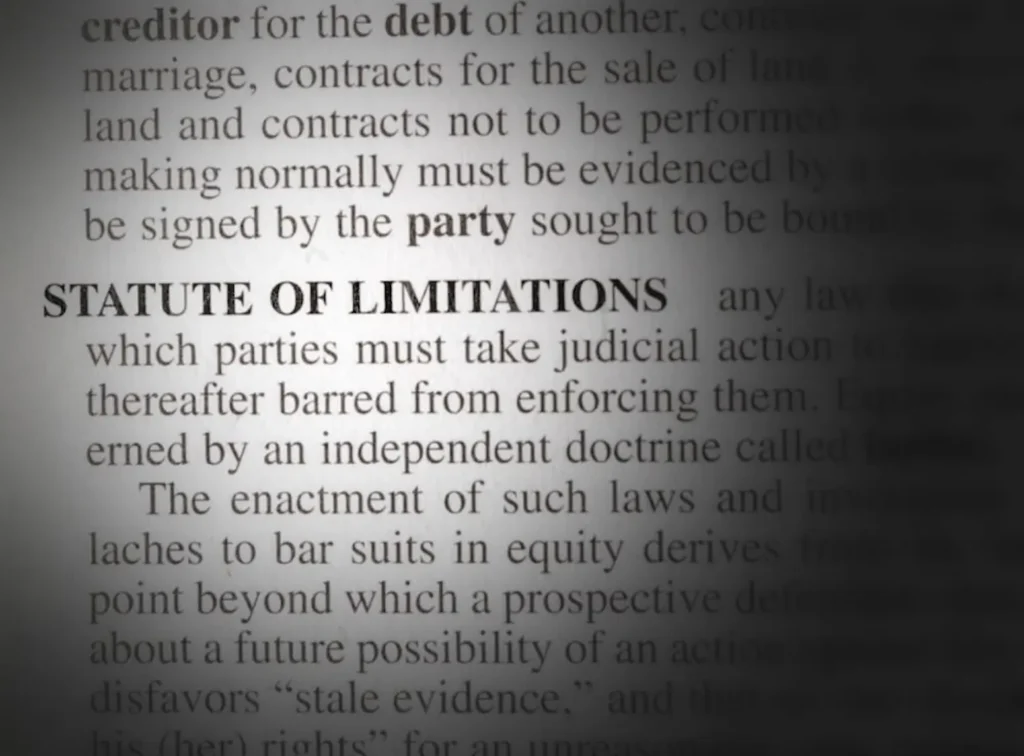
However, waiting until the two-year mark is a significant risk. Evidence disappears, and your “Section B” medical benefits (which cover initial treatments) have their own strict timelines and notification requirements. Seeking legal counsel early ensures that every deadline is met and your rights are protected from day one.
Conclusion
The question of “Do I need an MVA lawyer?” ultimately comes down to your health and your peace of mind. If you are hurting, stressed, and struggling to keep up with the demands of an insurance claim, you do not have to carry that burden alone.
At MacDonald Zhivov Law, we provide the guidance and advocacy necessary to move beyond the “cap” and secure a settlement that reflects the true impact of the accident on your life. We offer personalized consultations to help you understand your rights under Alberta law.
Don’t leave your recovery to chance. Contact us today to ensure your future is protected.